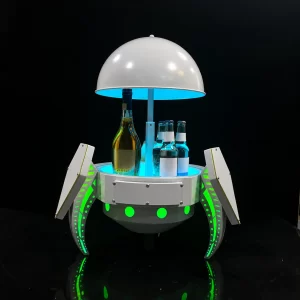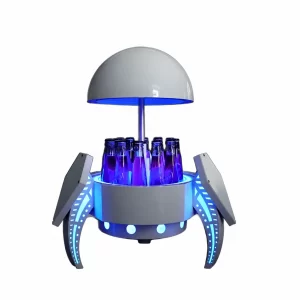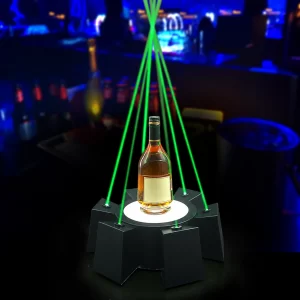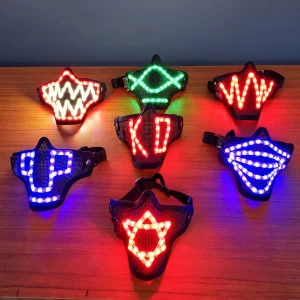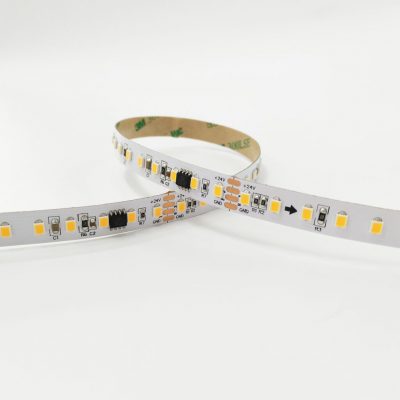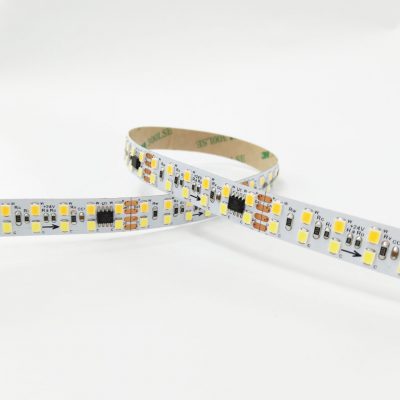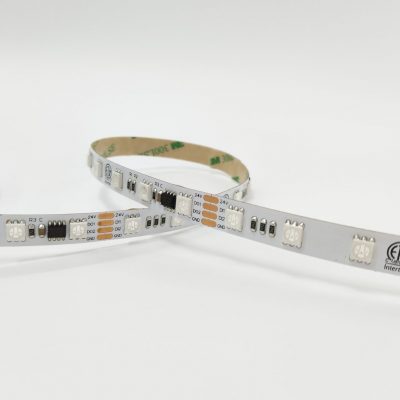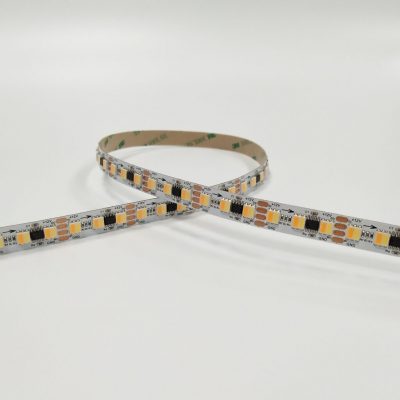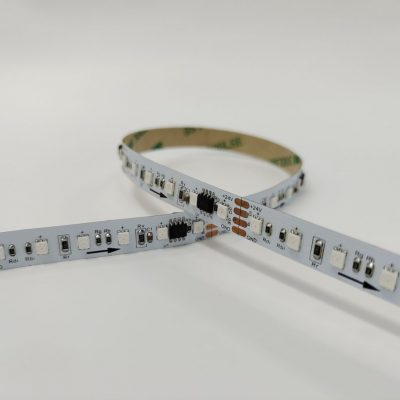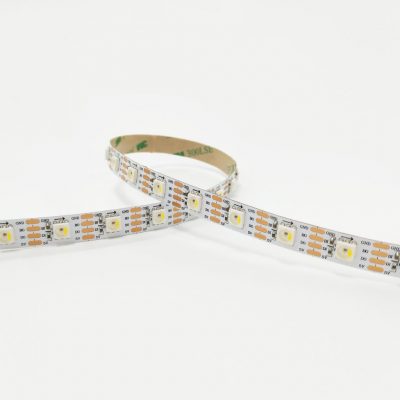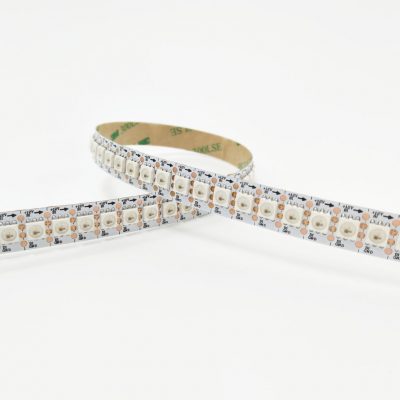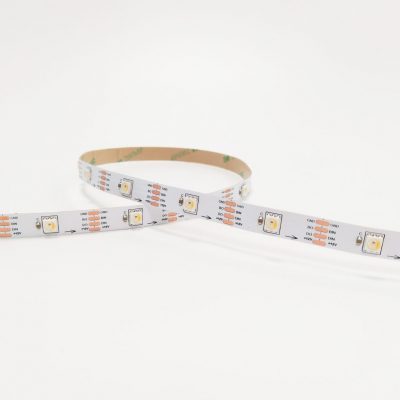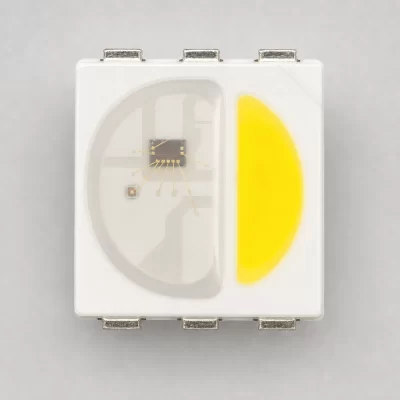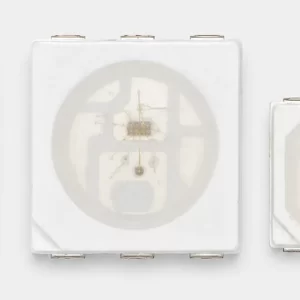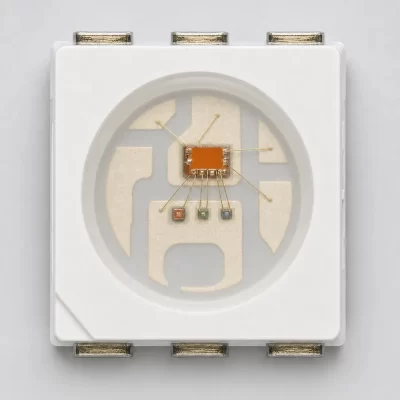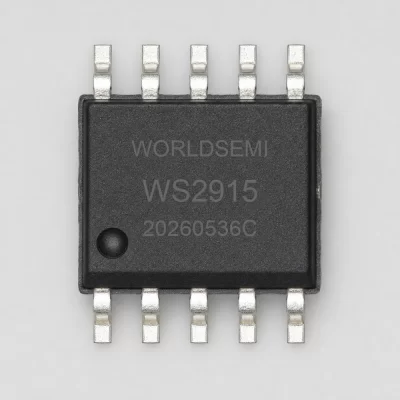
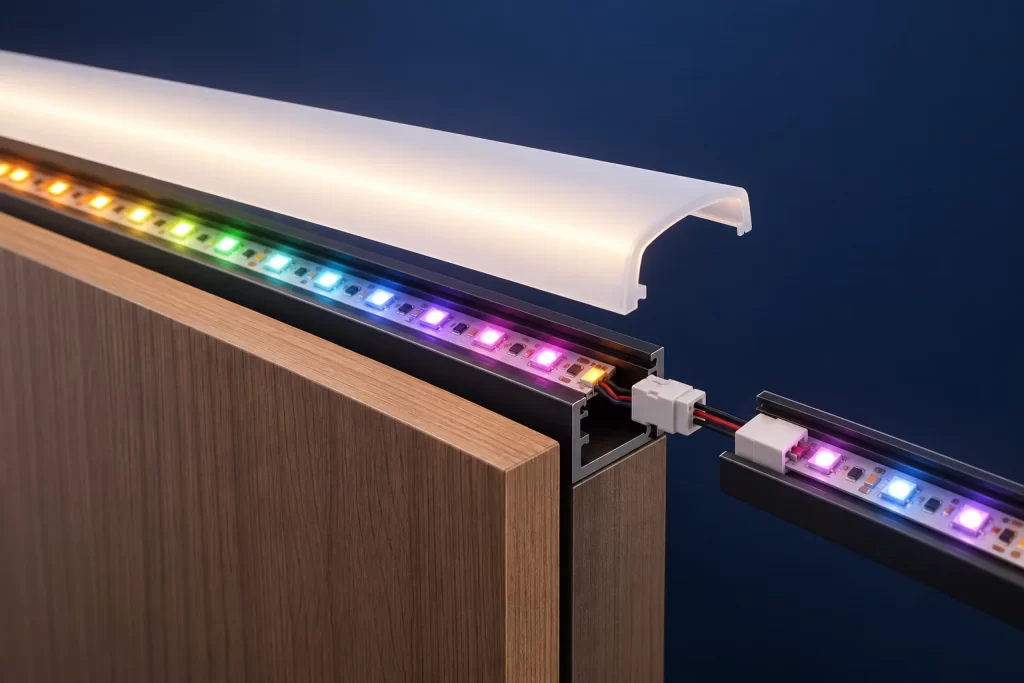
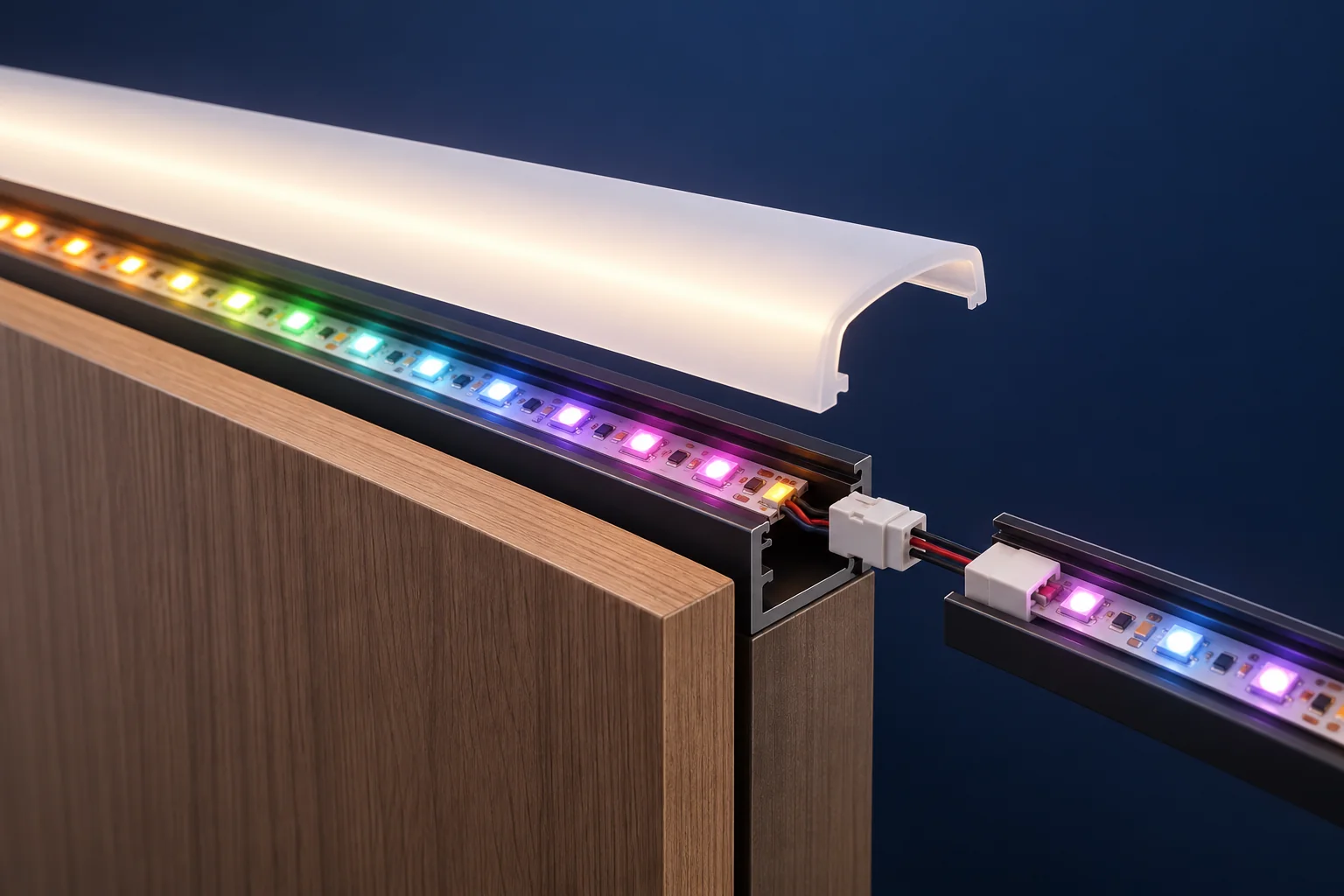
A cabinet lighting line can look smooth in a render and show obvious points in a prototype. At YF-WIND, we recommend describing the required appearance and service access together. The optical effect and the physical assembly influence the same design, so neither should be approved from the LED count alone.
Judge the light at the intended viewing position
Review direct and reflected light with the intended screen or surface nearby. Identify where a viewer can see the emitters and where a diffuser hides them. Use a real prototype to evaluate the result. A simulation or product photograph cannot prove that the assembled line is uniform in your enclosure.
| Design question | Practical review | RFQ evidence |
|---|---|---|
| Visible hotspots | Inspect prototype from defined positions | Photos under recorded conditions |
| Corner transition | Check continuity and mechanical clearance | Corner detail drawing |
| Diffuser access | Confirm how service work reaches the assembly | Exploded view |
| Replaceable zone | Retain part and harness identification | Service record |
Example: a surround interrupted by a service joint
A fictional surround may be divided into sections for maintenance. The joint can create a visible gap or a change in pattern continuity. Mark the joint in the lighting map and evaluate a moving test effect through it. Decide whether the intended appearance needs a continuous visual line or permits a deliberate separation.
Prototype observation record
VIEW POSITION: defined by project
SCENE: steady colour + slow movement
JOINT: location and visible transition
REFLECTION: screen content visible during review
SERVICE: access route and replacement identity
RESULT: approved / revise, with evidence
Use public examples as design context
Aristocrat describes direct, indirect and game-coordinated lighting on The Baron. That is useful context for discussing visual zones. It is not evidence that another strip matches the cabinet, nor permission to reproduce the enclosure or control interface. YF-WIND enquiries should focus on the customer-owned prototype requirements.
YF-WIND project enquiry: what to send
Send the application, item type, exact part reference if selected, quantity and unit, destination country and target delivery requirement. Include a layout sketch and identify unresolved technical questions. YF-WIND can use these details to discuss the enquiry scope; sample suitability and commercial terms require confirmation. No MOQ, stock, lead time or certification is promised by this guide.
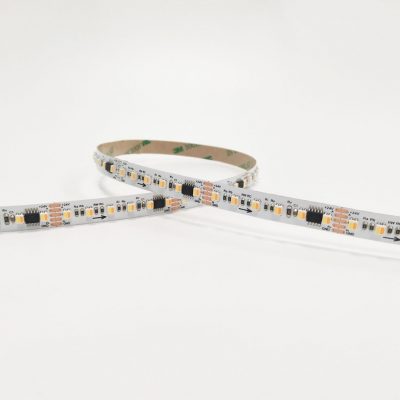
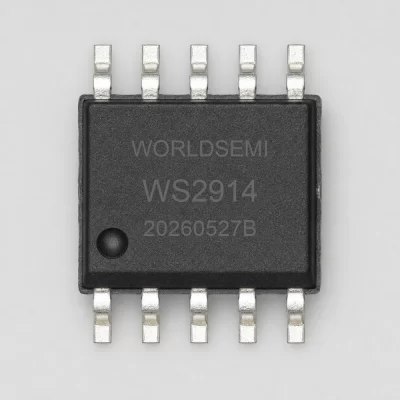
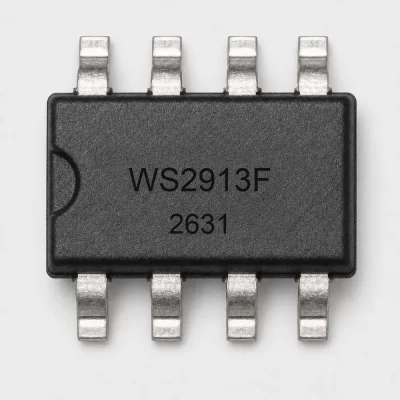
Browse LED components or send YF-WIND a project enquiry. For model-based requirements, include the complete manufacturer reference and revision rather than only WS2812, WS2811 or WS2813.
Reference and scope
Aristocrat The Baron official reference. Brand references are informational; no customer relationship, endorsement, proprietary interface access or compatibility is claimed. Application examples are fictional design briefs, not completed YF-WIND projects.