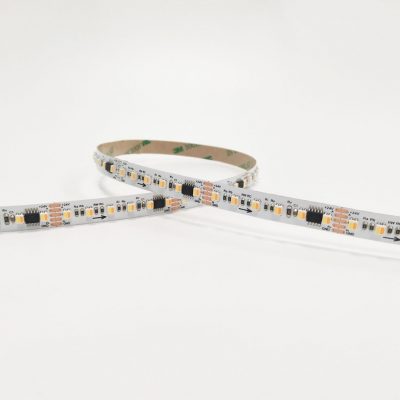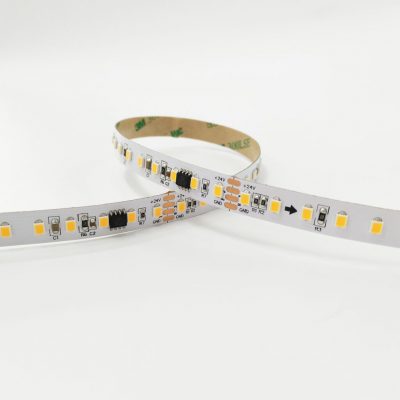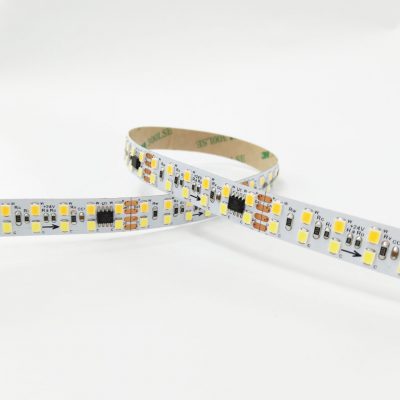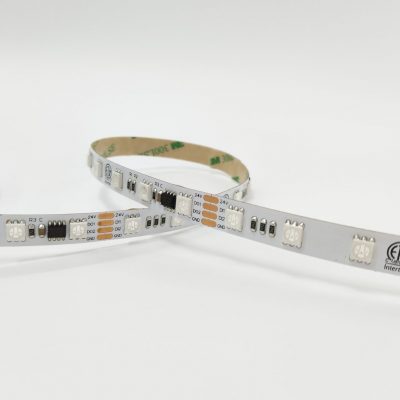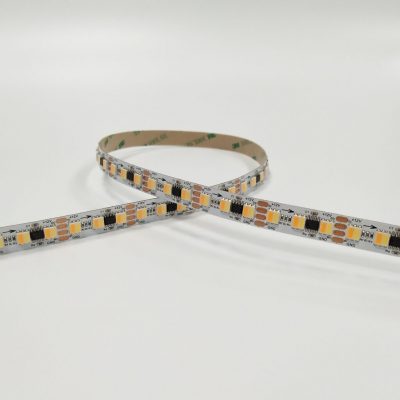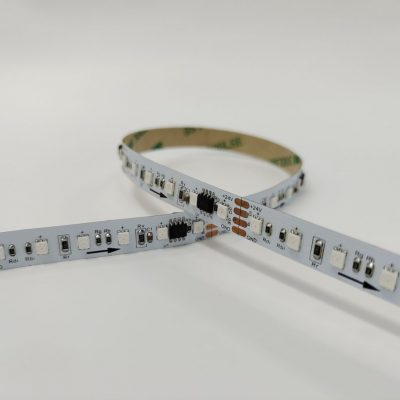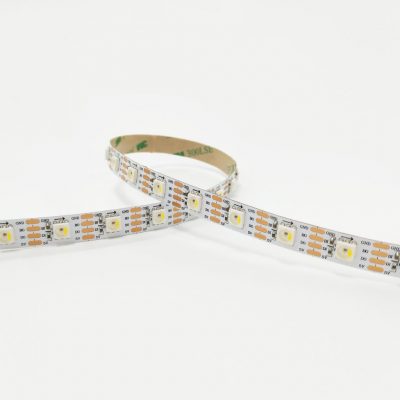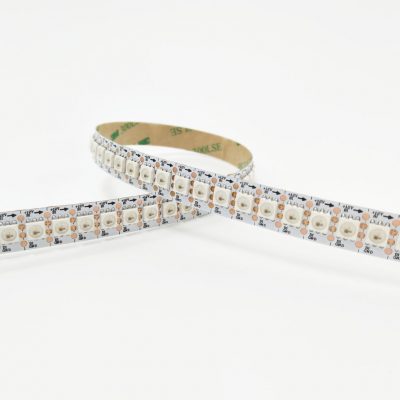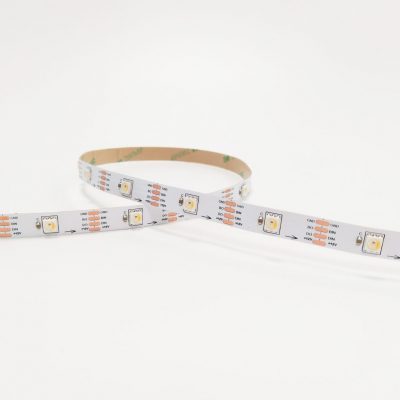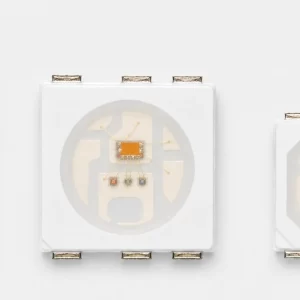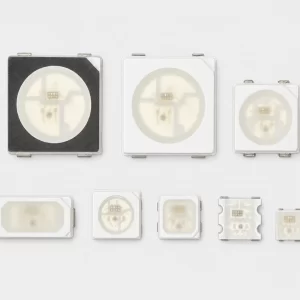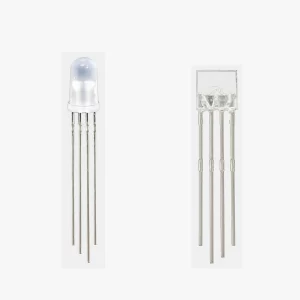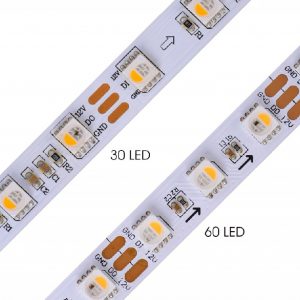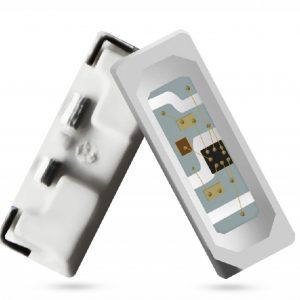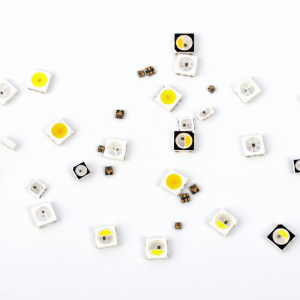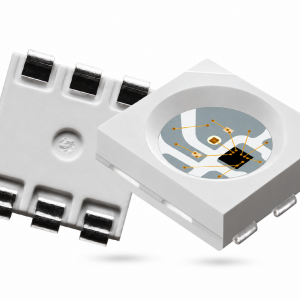
A useful power discussion starts with the actual assembly and measured or documented demand. YF-WIND uses a simple worksheet to help buyers collect that information before engineering selects a power arrangement. This guide supplies arithmetic examples, not a universal LED current or a wiring design.
Separate documented demand from assumptions
Ask which device, board or strip configuration the demand figure describes. Identify the operating pattern and conditions used. An online current figure from a related component should not be multiplied across a different assembly and treated as an approved supply requirement.
| Requirement | What to compare | Acceptance evidence |
|---|---|---|
| Assembly demand | Defined scene and conditions | Applicable document or measurement |
| Supply conversion | Relevant efficiency and operating point | Supply documentation |
| Distribution | Actual layout and connection conditions | Engineering review |
| Final selection | Derating, thermal and protection requirements | Approved design record |
Fictional arithmetic example
Suppose a documented assembly demand for a defined test condition is 24 W at its stated 12 V input. Dividing power by voltage gives 2 A at that point. This invented example only illustrates the calculation. It does not describe a YF-WIND product, include conversion losses or specify a suitable power supply.
Project worksheet example
Illustrative input values only:
P = 24 W
V = 12 V
I = P / V = 2 A

Supply selection still requires engineering review.
Do not use these values as LED specifications.
What to send with an enquiry
Provide the exact assembly reference, intended scene, installation layout and available demand evidence. Have engineering assess distribution, protection and the final operating conditions. Avoid solving an uncertain specification by choosing a supply from an unrelated project. A calculation worksheet is a communication tool, not approval to connect hardware.
Prepare a specific YF-WIND enquiry
Send the item type, full component or assembly reference if selected, quantity and unit, destination country and target delivery requirement. Include the relevant customer-owned drawing and describe which questions still need engineering input. Distinguish an evaluation candidate from an approved production item; identify whether alternatives may be proposed for review.
Explore YF-WIND LED components or submit a project enquiry. Current availability, MOQ, price and delivery require confirmation in a quotation. Application examples in this article are fictional briefs, not completed customer projects or performance guarantees.
Further reading
YF-WIND component buying guides. Manufacturer category context: digital RGBIC LEDs and LED driver ICs. No official distributor status or third-party brand relationship is implied.